
– Clear

This project tackles the challenge of extending the lifespan of expensive 0.2-micron final water filtration membranes by using one or more prefilters in dead-end filtration systems. Students will develop repeatable experimental setup and data-driven models to predict filter failure rates, and recommend cost-effective, high-performing multilayer filter configurations.

Commercial ships of the future will need to reduce their emissions to remain competitive, and lower their environmental impact. Students on the Fincantieri team will design, prototype, and test a mechanism to achieve a reconfigurable bow that reduces drag under variable speeds and sea conditions.
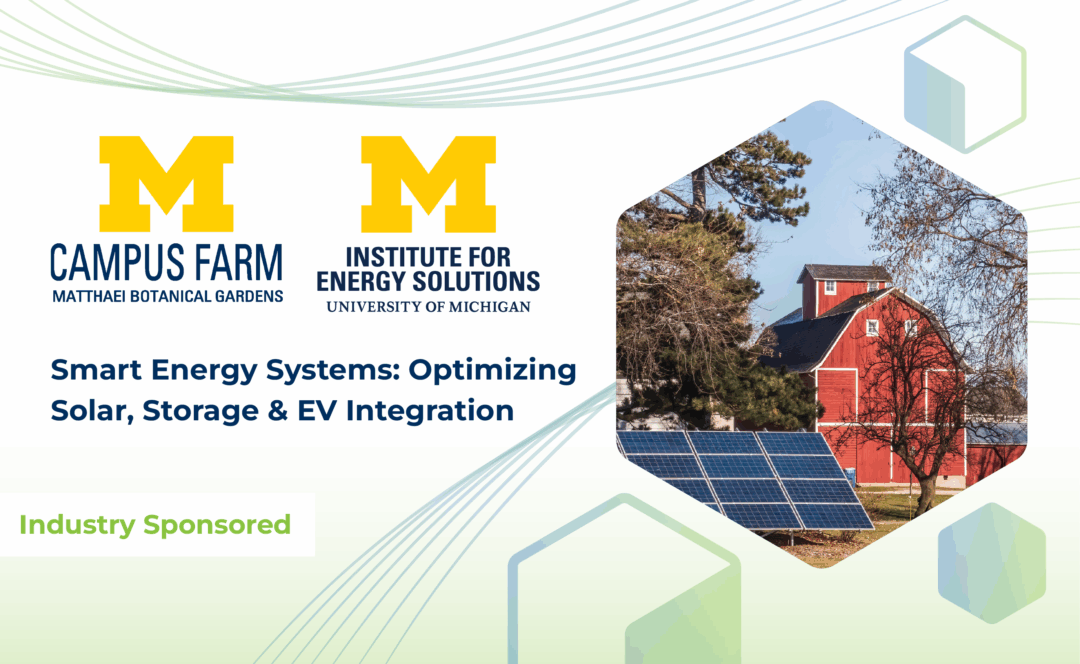
Join a team applying real-time optimization, control systems, and machine learning to redesign the energy management system (EMS) for UM’s Campus Farm, minimizing carbon emissions and improving reliability. You will build an advanced EMS to manage solar power, grid electricity, refrigeration, and EV charging, helping the farm meet its 2026 carbon neutrality goals.
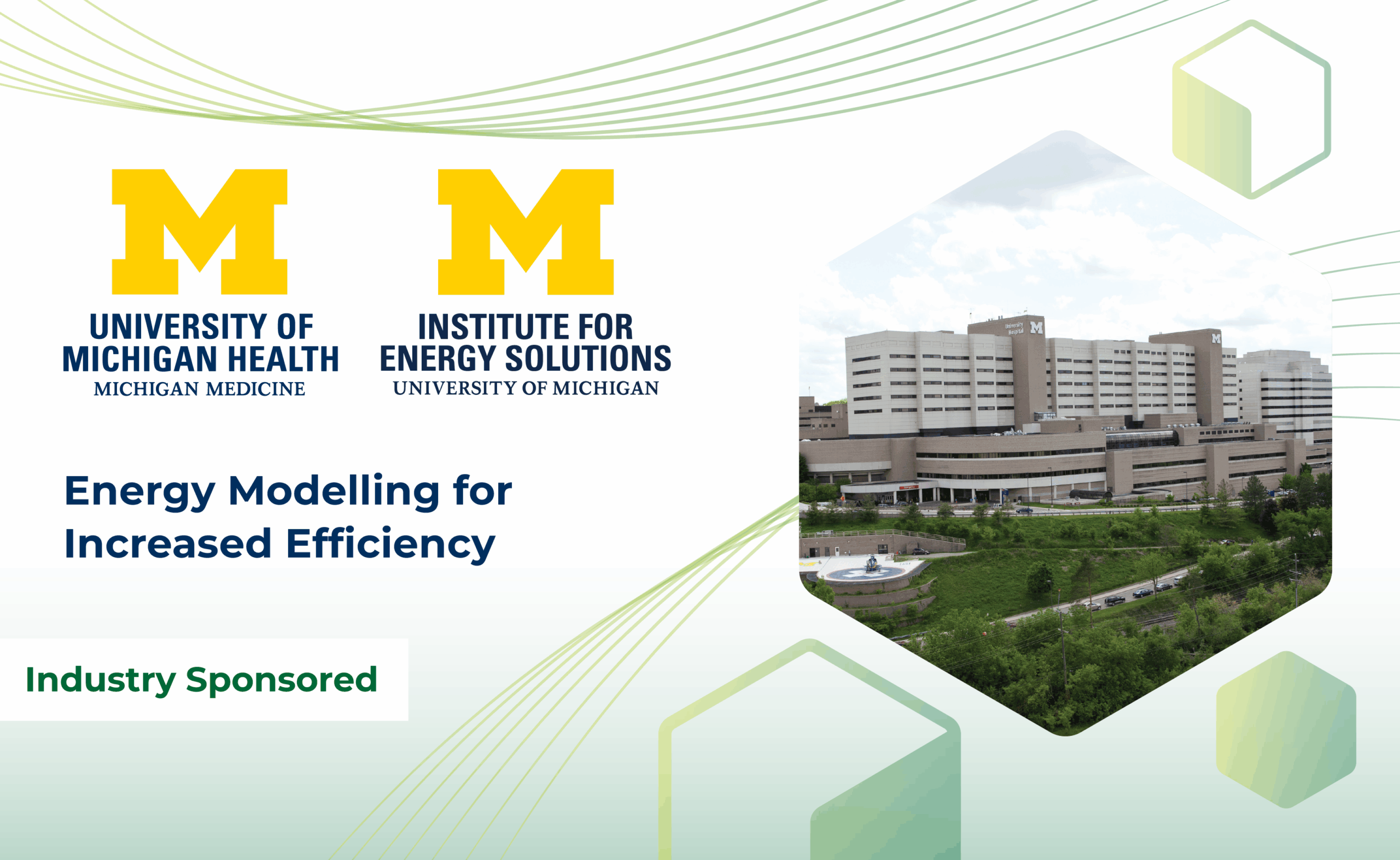
Modernize one of the most energy-intensive systems on campus. The student team will build a simulation model of the University Hospital’s chilled water plant and develop strategies to reduce energy use and costs. This project gives you the chance to apply thermodynamics, controls, energy modelling, simulation/coupled simulations of interdependent processes, and optimization skills to a real-world environment with multi-million-dollar implications.
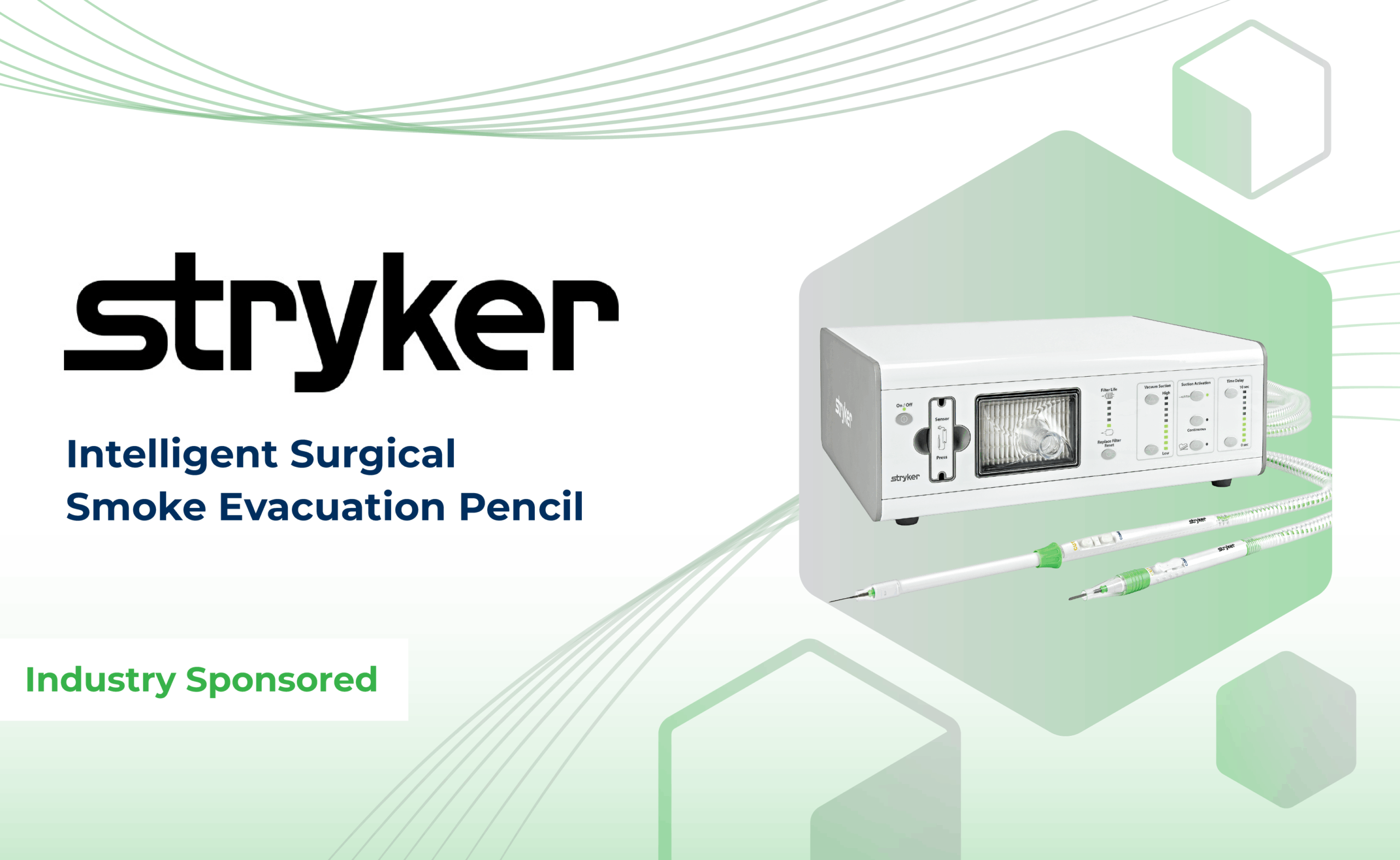
Surgeons use electrosurgical pencils in the operating room, but the smoke generated by this operation is hazardous. Students will redesign the existing surgical smoke evacuator to independently regulate flow to multiple devices, and integrate sensor technology to monitor filter health and performance, enhancing safety and efficiency in the operating room.
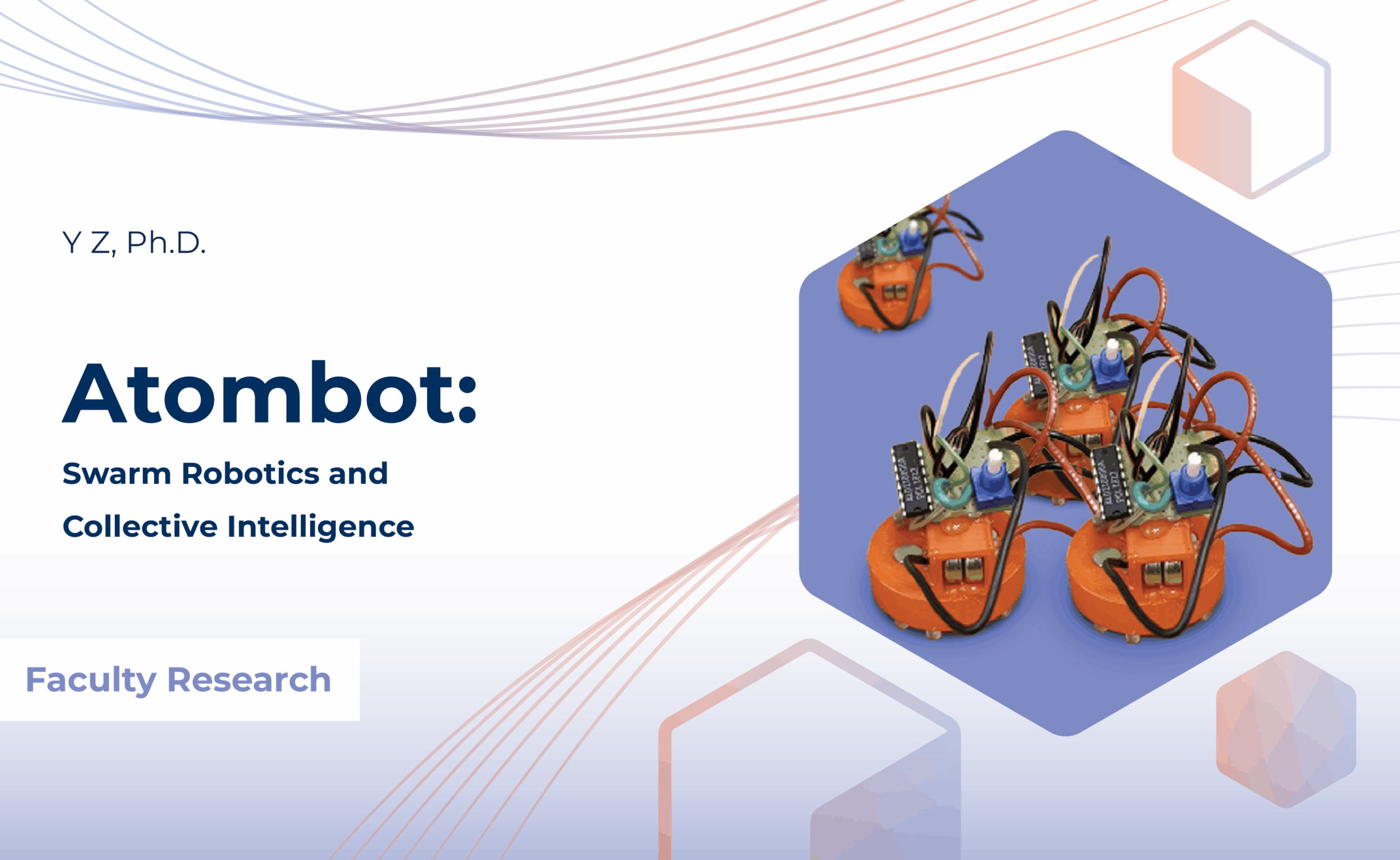
This Atombot project will build a controllable miniature swarm robot system, based on a prototype developed by the Z Lab, study the fundamental emergent behavior of many-robot systems, and explore mission-critical applications in homeland security.
As industries such as electric vehicles and renewable energy grow, signal, switching, and thermal losses are posing significant challenges with increased power demand. Students on the Yazaki team will model transistor losses to train a neural network to optimize power electronics design, and then verify the results with hardware testing.
Faculty and staff at Michigan Engineering lose valuable time to repetitive tasks, like updating calendars, managing file clutter, and notifying supervisors of leave. This project will build a secure, modular web application deployed on AWS that automates these routine processes, using smart workflows and AI-enhanced recommendations. This tool will save time and lay the groundwork for scalable automation tools across the College.
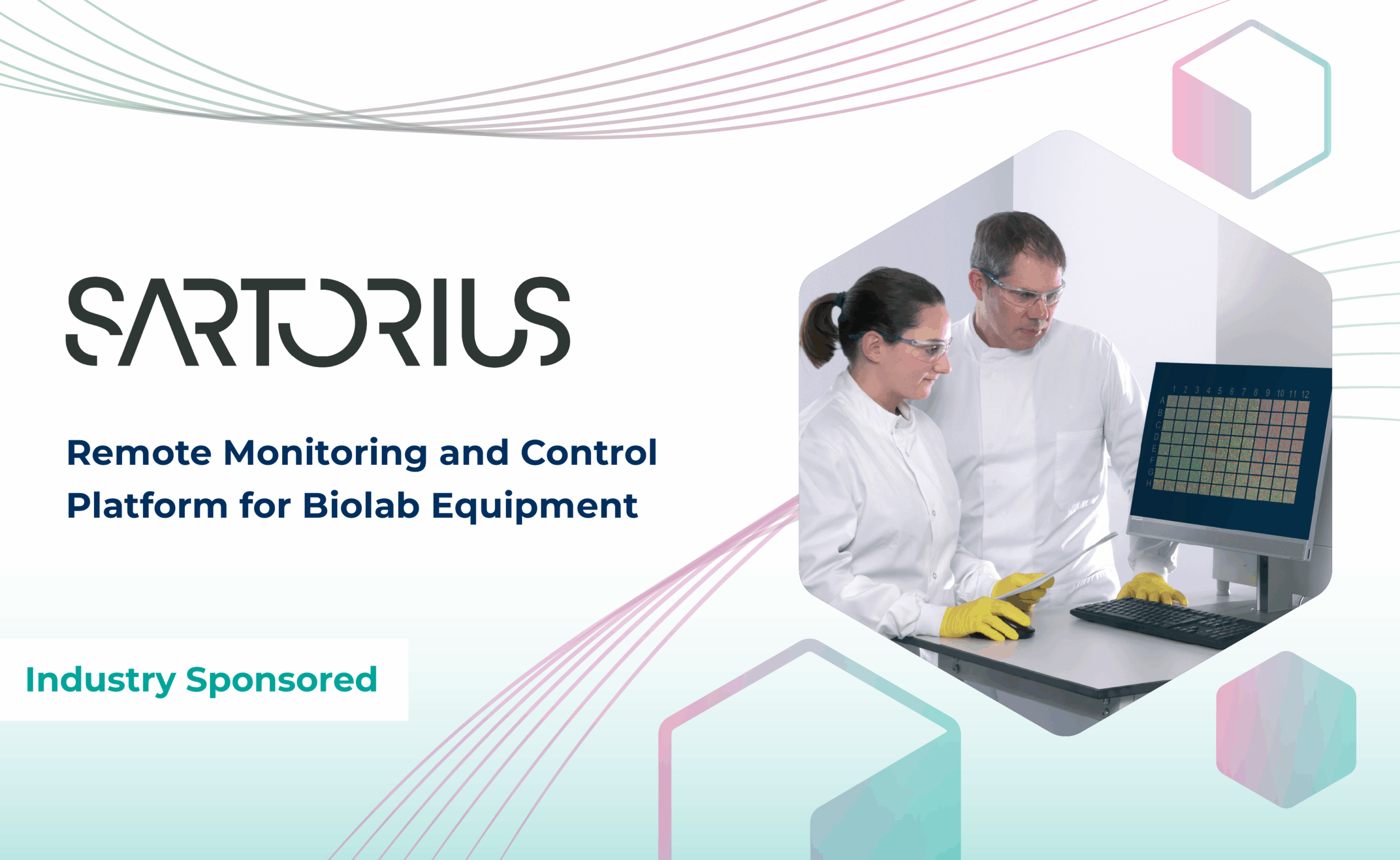
This project will develop a modular web and mobile application that allows scientists to monitor and control biolab equipment remotely. The system will integrate software and hardware components, including a hardware interface module, API layer, and containerized backend services. The result will expand the sponsor’s product line, and enable efficient, off-site lab operations with real-time feedback and control.
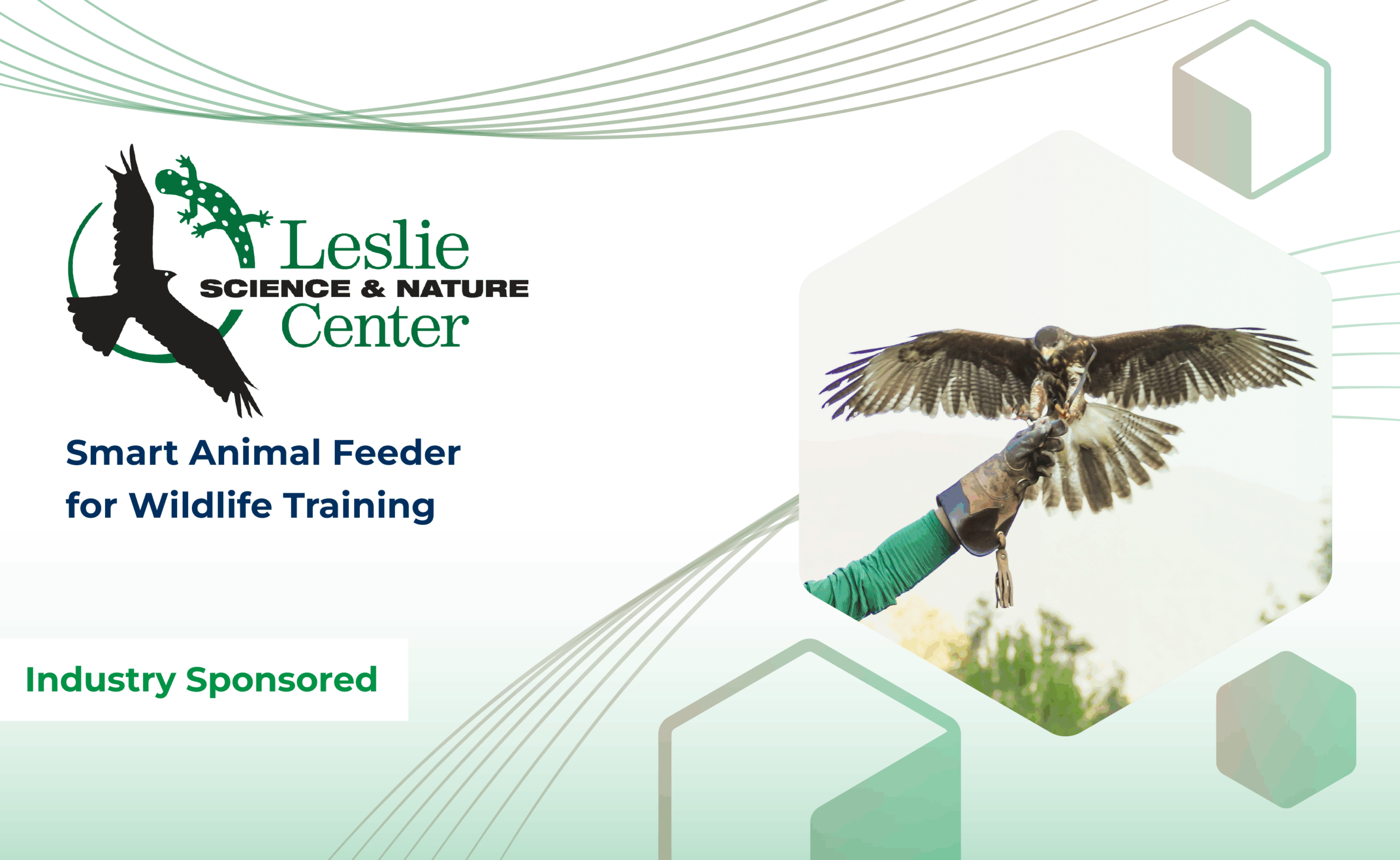
At the Leslie Science & Nature Center, visitors have the opportunity to hike on trails and explore the main campus features, such as a natural playscape, outdoor raptor enclosures, and other wildlife inside when open to the public. Students will design and build a smart, triggerable animal feeding apparatus to aid in both training and enrichment for the live raptors, by creating a system that will deliver food items by remote trigger.
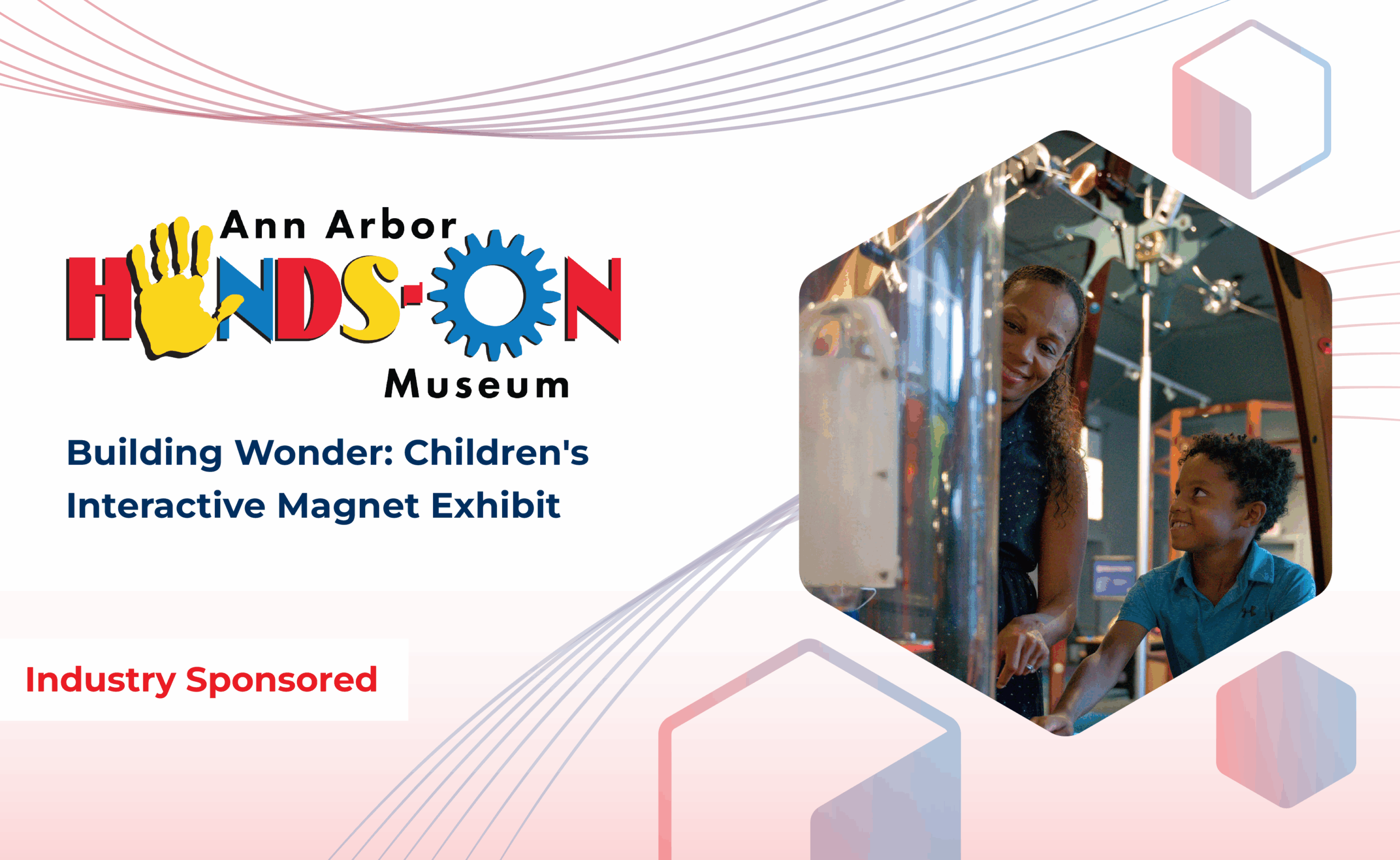
The Ann Arbor Hands on Museum is always expanding and refining their exhibits to improve the educational experience for the many children and adults who patronize the museum. Students on this team will design and build a museum-ready, durable, and engaging child-friendly steel ball launching exhibit, demonstrating the addition of magnetic forces.
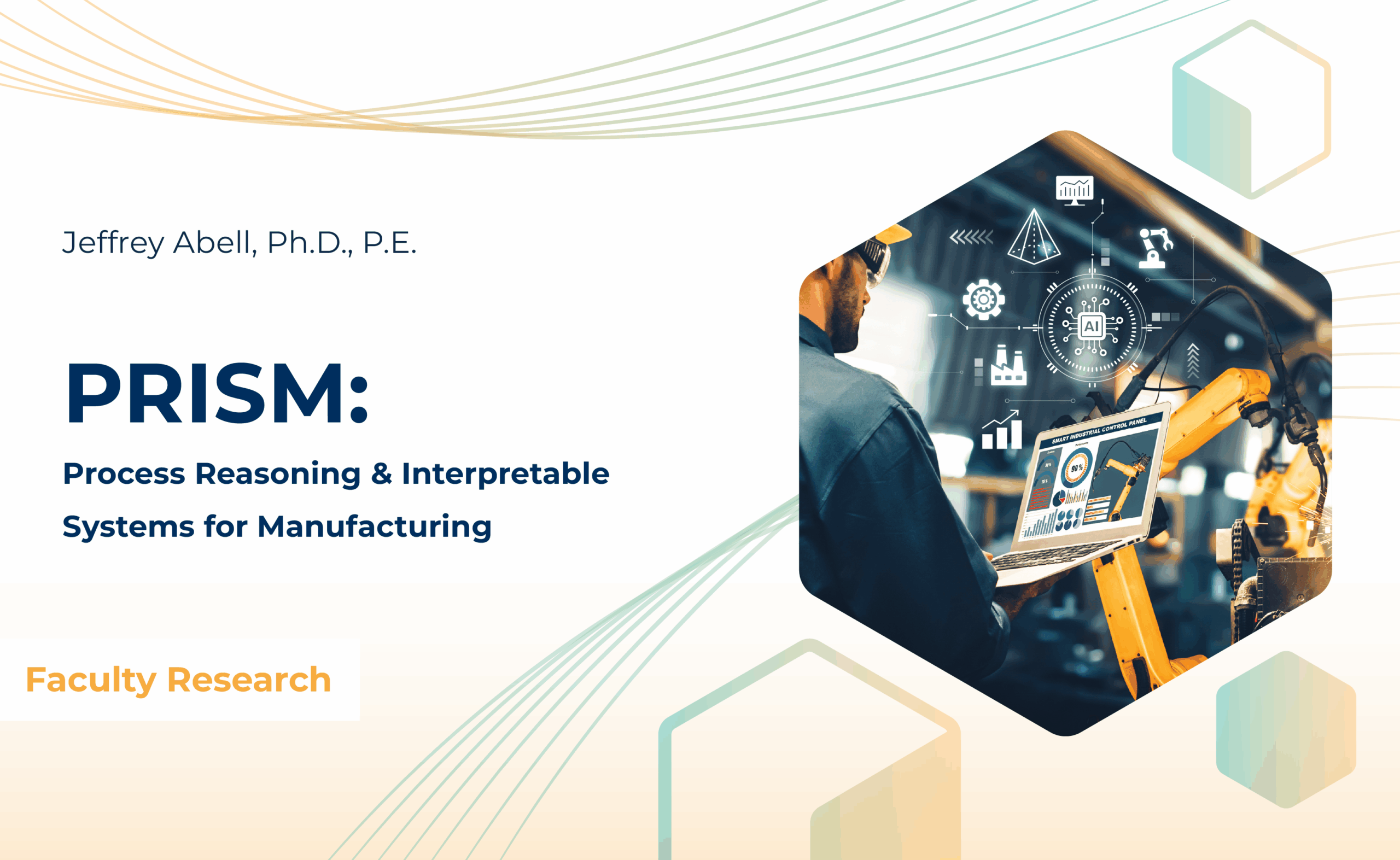
The PRISM team is developing innovative methods and tools to interpret how powerful AI models make decisions in manufacturing, revealing the "knowledge building blocks" behind AI predictions. These insights will guide the creation of advanced, physics-based models that more accurately reflect real-world manufacturing processes.
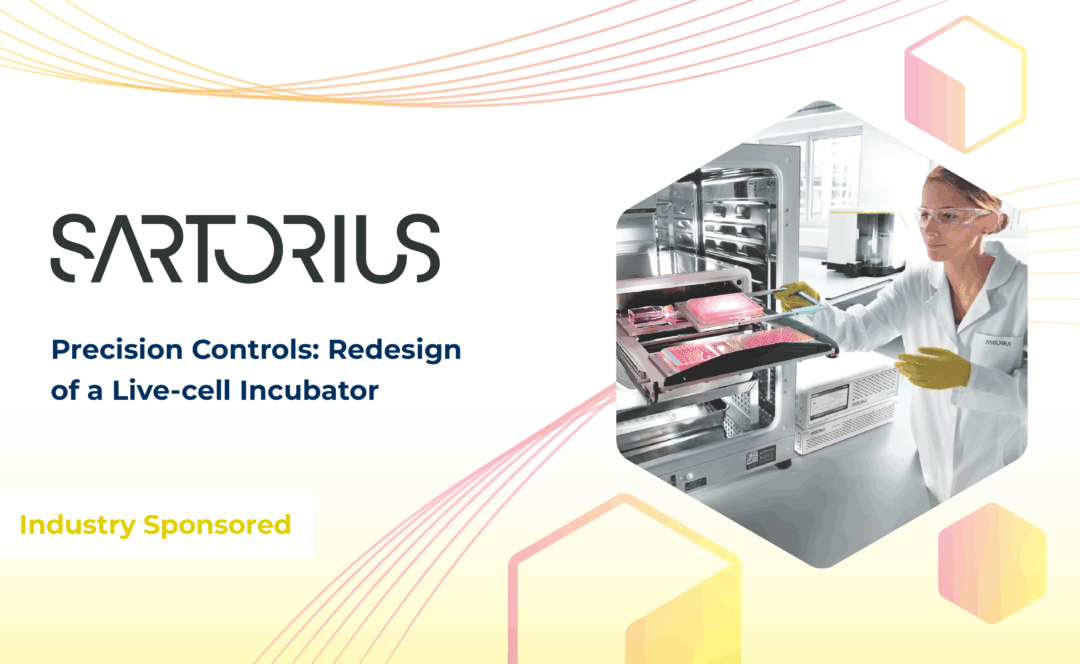
Help us continue to redesign our market leading live-cell research product, Incucyte. Students on the Sartorius team will refine the design of the miniaturized, precision Live-cell Research Platform, making it even more precise and getting the design market ready.
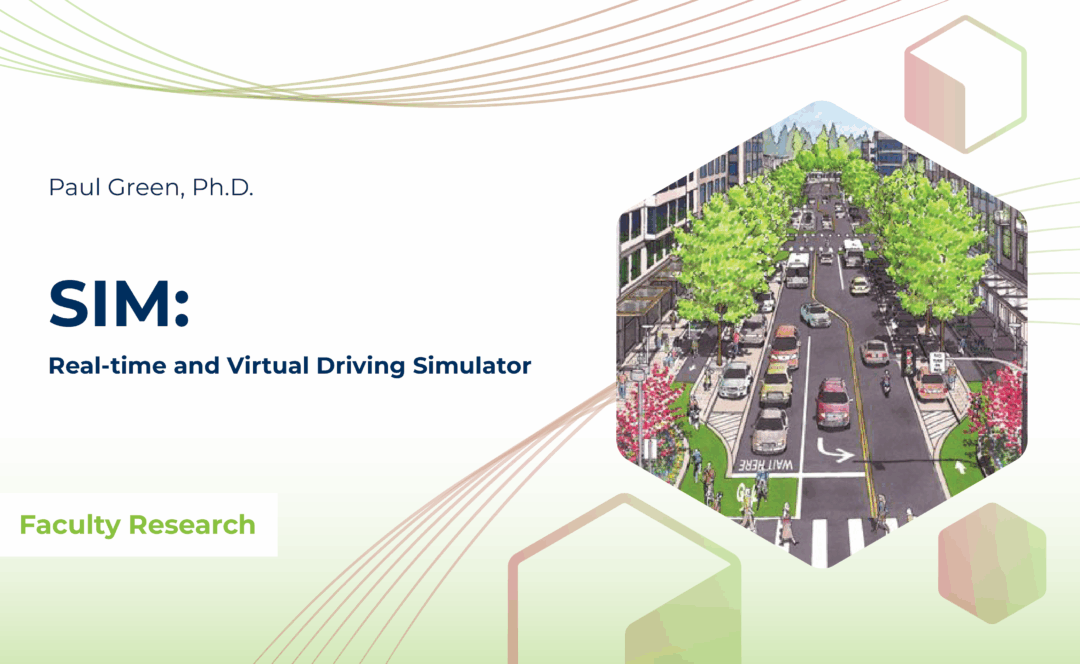
To assess vehicle safety and ease of operation, the SIM team is designing a virtual driving simulator through open-source, simple hardware, and virtual roadway and scenario simulation. This team will also conduct experiments with users of software/hardware to validate ease of use and functional requirements.
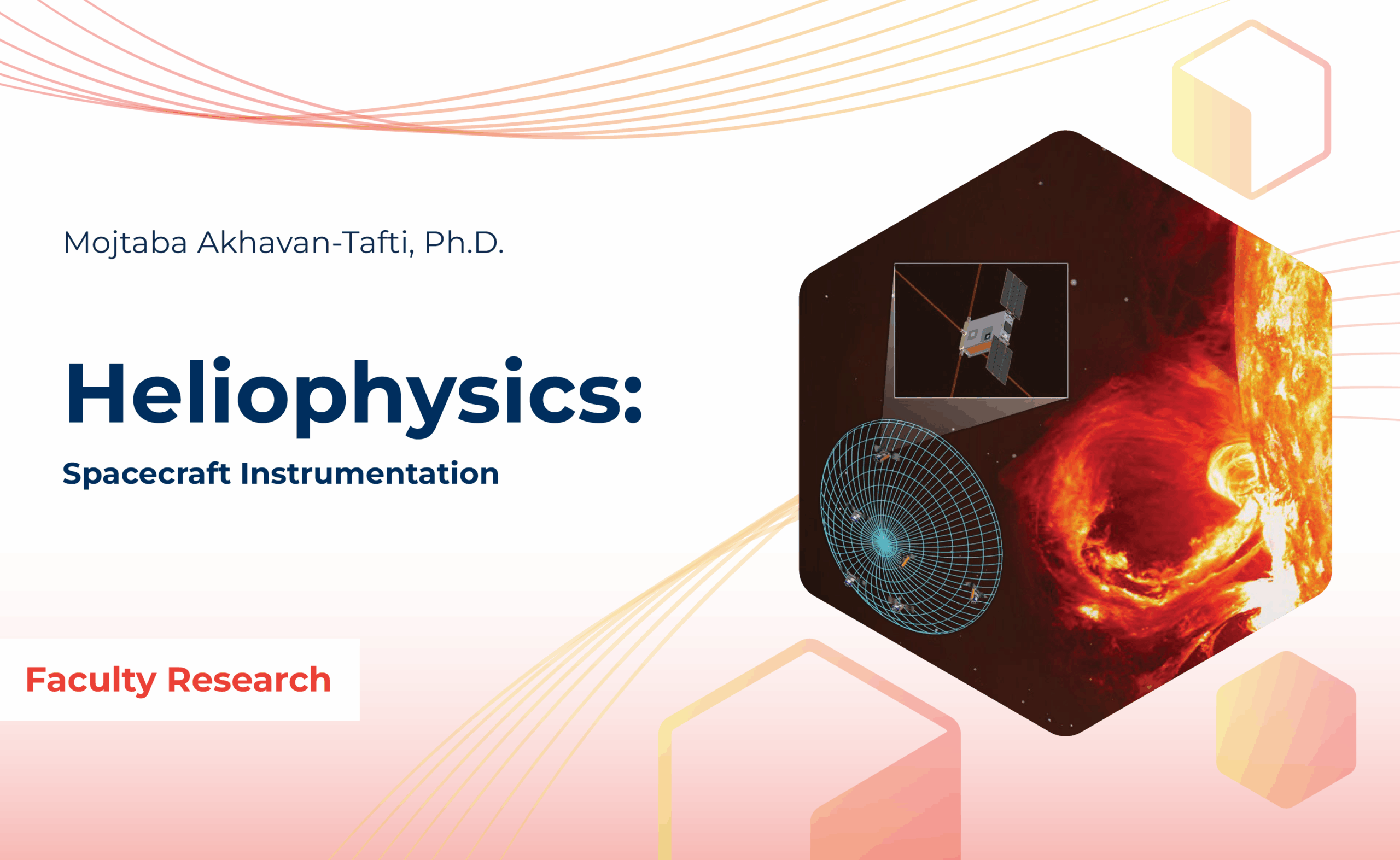
The Heliophysics team is developing a data processing pipeline to detect planetary emissions during extreme space weather incidents in support of the NASA SunRISE mission. Additionally, the team is constructing and operating a ground-based radio antenna array, with overlapping frequency coverage to SunRISE. This term, the team will expand their ground-based radio interferometer both locally and in the Upper Peninsula.
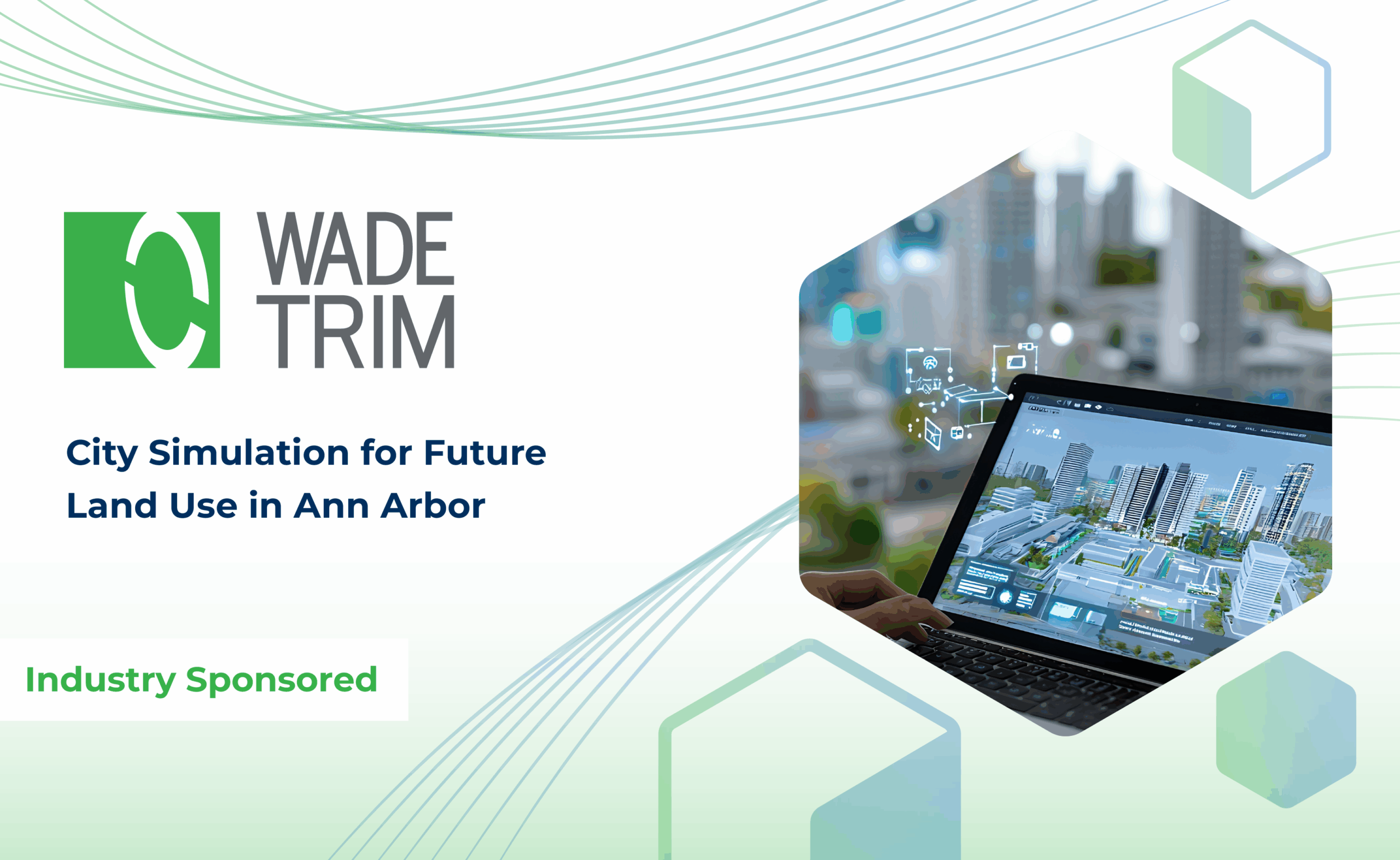
Ann Arbor is planning for 1,800 new housing units per year, with a projected 79% population increase by 2050. To support sustainable growth, this project will begin building a system-level Digital Twin of the city’s natural and constructed stormwater systems. Students will use real-world data to simulate how future development could impact watersheds, roads, and underground infrastructure.
Develop and deploy a seamless mobile ordering website enabling all MotorCity Casino Hotel patrons to effortlessly order food from property-wide venues, offering convenience and reliable delivery or easy pickup options. This project provides an exceptional opportunity for students to enhance customer experiences through intuitive, scalable technology solutions.
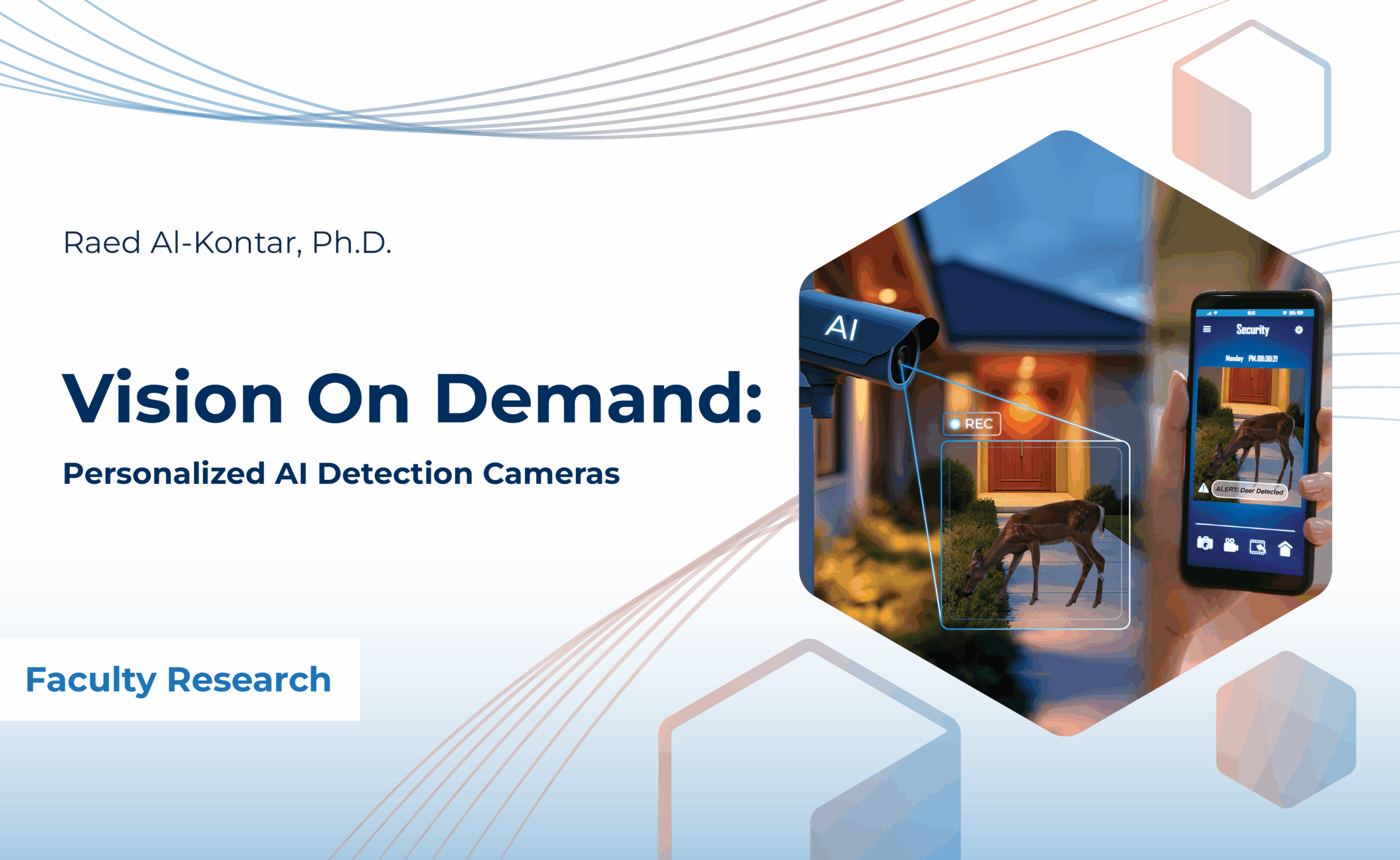
This research team is creating user-customizable AI vision systems where users simply describe what they want to detect. Using generative AI and real-time computer vision, the system quickly learns new targets and deploys them to edge cameras, sending instant image alerts to users’ smartphones when the specified object is detected.
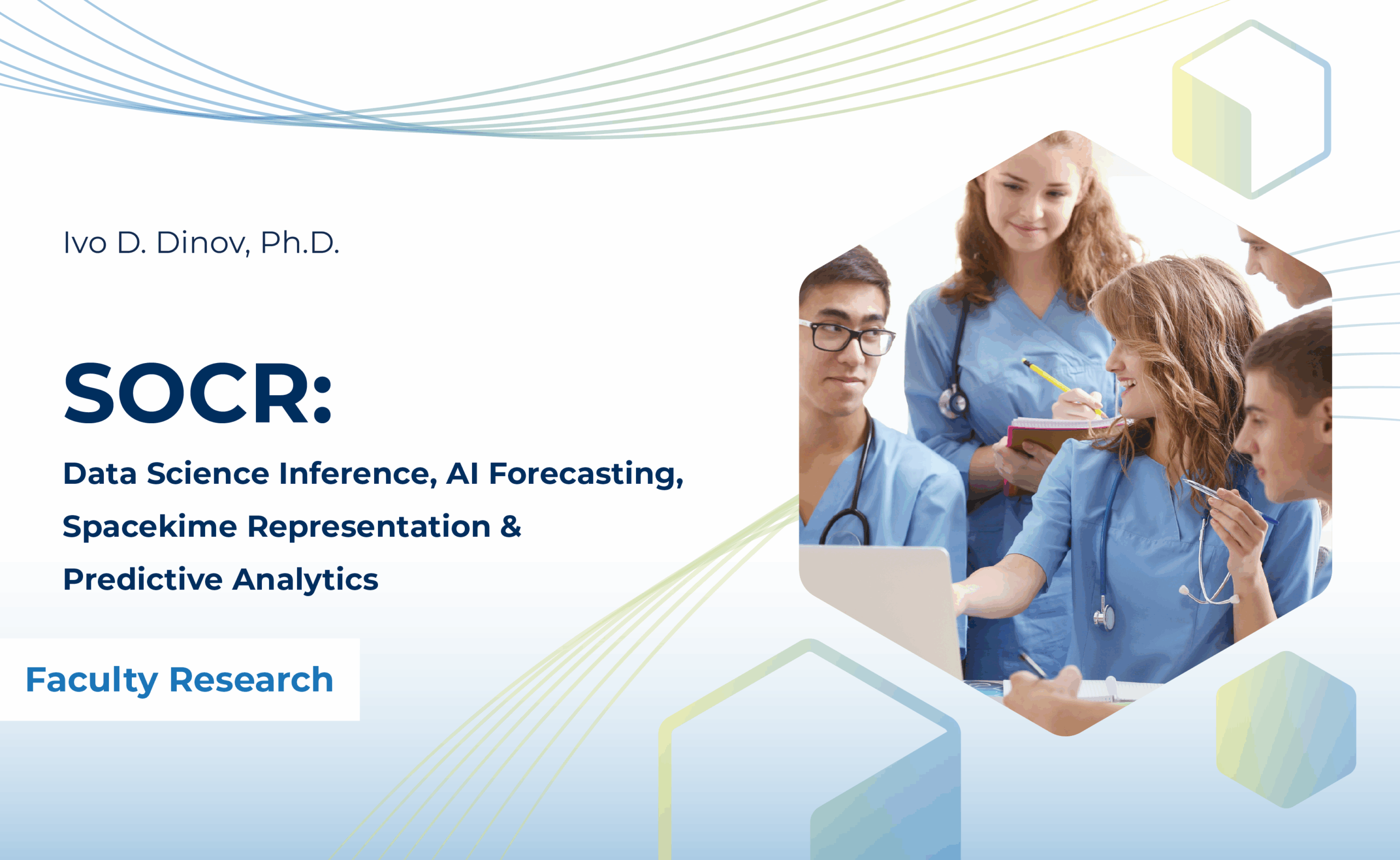
The Statistics Online Computational Resource (SOCR) is an online platform including web-services and advanced methods in probability, statistics, and machine learning in the health sector. This team will develop an enhanced analysis and visualization toolbox with an emphasis on “Big Data” - very large datasets that are difficult to analyze and interpret in meaningful ways with basic probability and statistical methods.
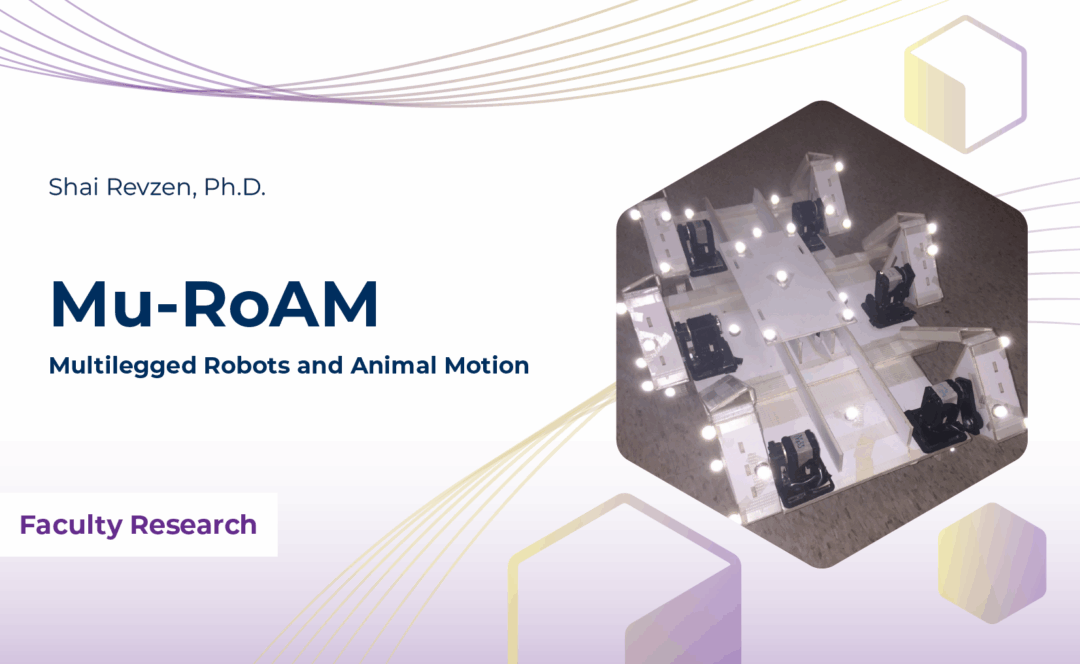
This faculty research team uses core principles of animal locomotion to create advanced robot technologies by distilling their mathematical principles and using machine learning automation. Students will design and fabricate robots, write core software components, and run robot and animal experiments, all in support of this mission.
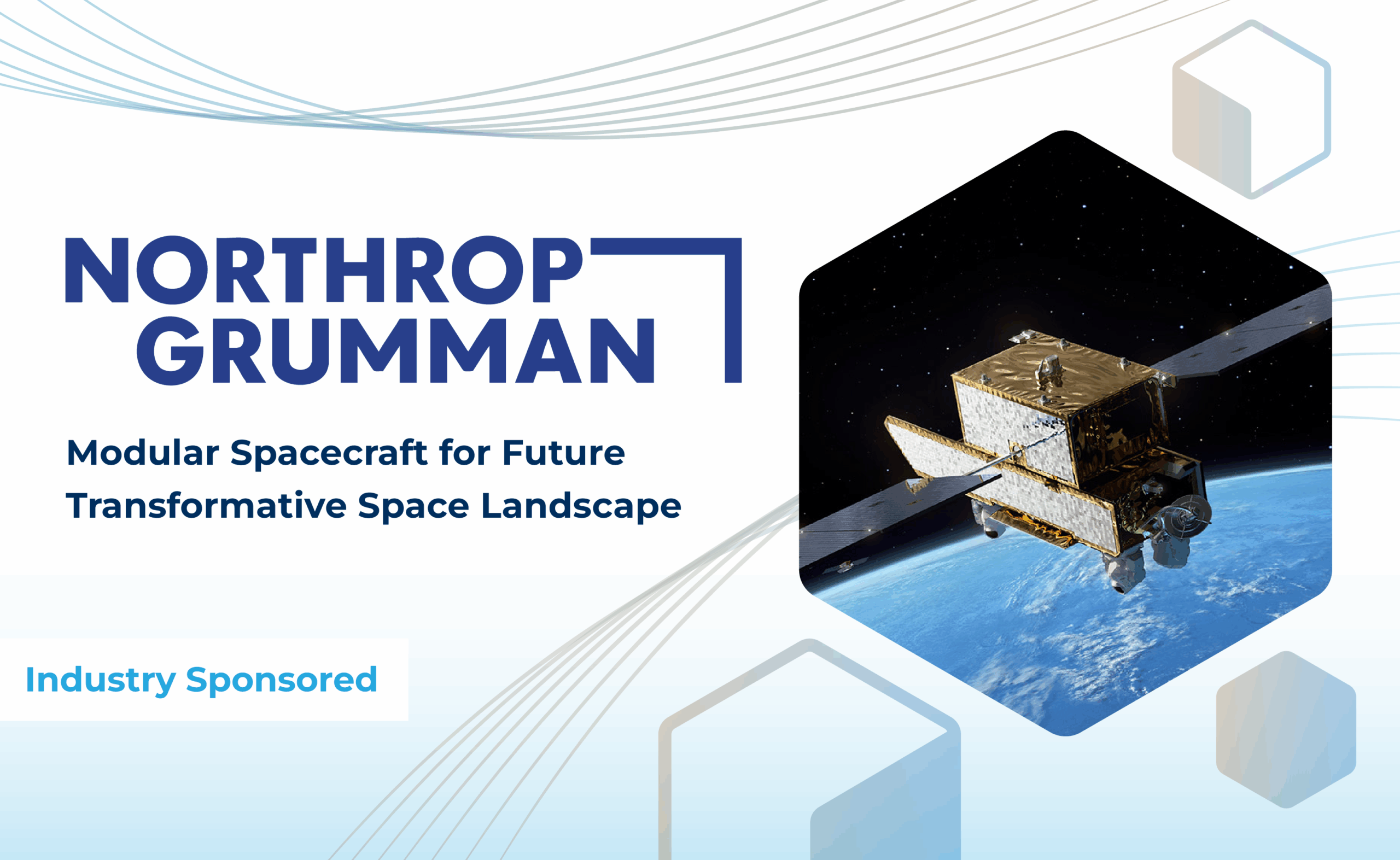
Look to the future of space in 10+ years and design a modular based spacecraft that is built on interchangeable, fundamental building blocks leveraging model based systems engineering (MBSE) that pushes the boundaries of conventional spacecraft to accommodate a new space architecture. Students on this team will deliver an MBSE model, study, and hardware example of the modular building blocks.

Develop an AI-driven Subject Matter Expert system accessible through the company intranet. This agent will collect and organize relevant information based on Walbridge corporate knowledge to identify employee experts, and generate lessons learned from previous experience. The system will include role-based permissions to ensure secure and efficient retrieval of information, tailored to each user’s access levels and responsibilities.
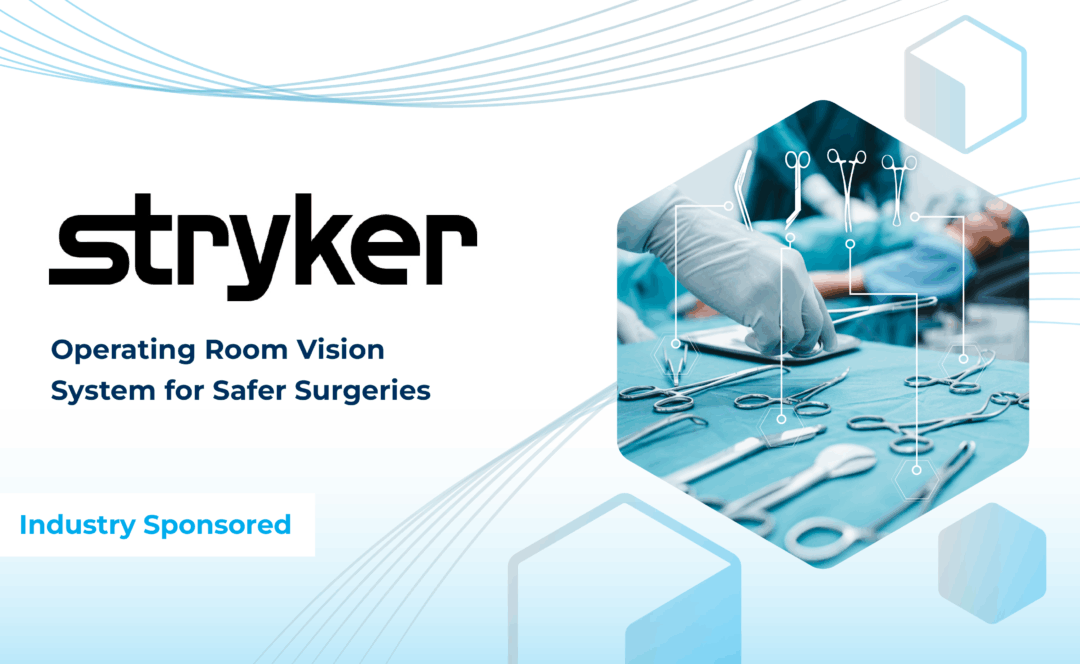
Stryker is a global leader in medical technologies, including medical and surgical equipment for the operating theater. Students on this team will develop a vision system that identifies instruments used in surgery, helping to ensure they are all accounted for at the end of the surgery.
In the highly regulated medical device industry, producing accurate and compliant documentation is both critical and time-consuming. Stryker is challenging students to design an AI/NLP-powered tool—built on Microsoft Azure—that generates very high quality first drafts for compliant product documentation, and testing materials for the medical device industry to reduce development time.
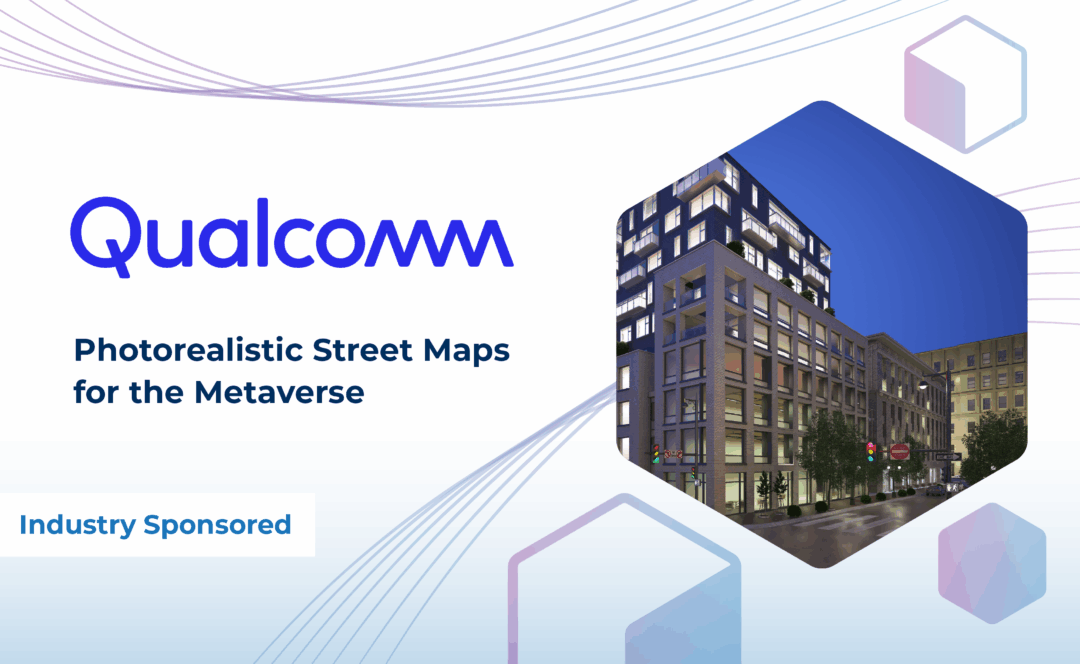
OpenStreetMaps is a powerful open-source tool, but it lacks photorealistic 3D cityscapes. Students on the Qualcomm team will develop an open-source pipeline to create photorealistic 3D street-level images to support use in metaverse and digital twin applications.
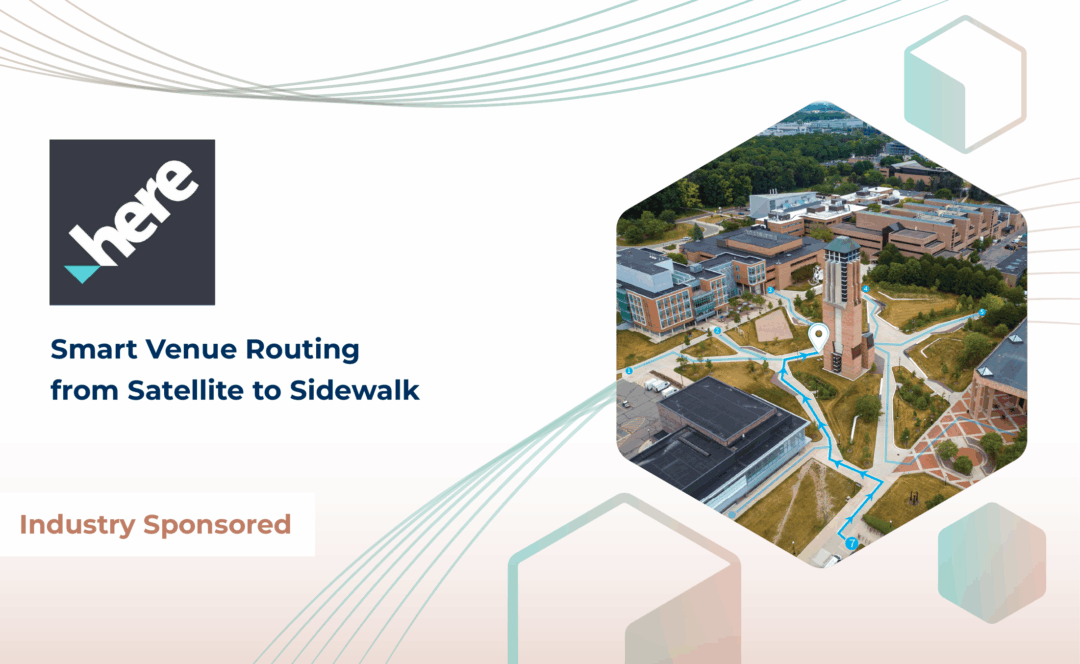
Large venues often have multiple entrances for both vehicles and pedestrians which, if not completely accurate, can make “last mile” travel difficult. Students on the Here Technologies team will build a system to automatically detect multiple entry points and routes for large public venues, improving navigation services and supporting future crowd-aware and accessibility-focused routing.

Help the Hyundai America Technical Center, Inc. (HATCI) develop a vision-based perception stack to detect and localize soft road boundaries in unmarked dirt road scenarios, advancing off-road autonomy for automotive applications. This project aims to enhance vehicle navigation where traditional lane markings are absent, pushing the boundaries of autonomous driving technology.

Electric fleet management is evolving, but today’s routing decisions still depend on static rules and human judgment, limiting efficiency, and increasing operational risk. Students on this team will design and implement an AI-powered fleet optimization agent that integrates real-time vehicle telemetry and external data to extend battery life, reduce delivery delays, and enable next-generation electric logistics for Isuzu’s autonomous battery electric vehicle fleet.

This project challenges students to design a system that transforms complex Standard Operating Procedures (SOPs) into functional AI agents within the enterprise system at JPMorgan Chase. These agents will automate enterprise tasks by converting human workflows into machine-executable instructions. All student team members will become JPMC 2026 Summer Interns, based in Chicago, IL.

Revolutionize urban mobility by harnessing anonymized location data from connected devices to optimize traffic signal timing. Students will use real-world handset data from Verizon devices to design adaptive timing plans that improve flow for vehicles, cyclists, and pedestrians in both real and simulated environments.